In 2025, sustainable real estate in South Jersey is no longer a niche idea—it’s becoming part of everyday buying, selling, and investing decisions. From energy-efficient upgrades in older row homes to brand-new builds with smart thermostats and solar panels, “green housing” is quietly reshaping neighborhoods across Camden, Burlington, Gloucester, and the surrounding counties.
Whether you’re a homeowner, first-time buyer, or investor, understanding these green housing trends in South Jersey can help you save on utilities, increase long-term property value, and make better decisions in today’s market.
This guide breaks down what sustainable real estate really means in 2025, the trends to watch in South Jersey, and practical steps you can take—no matter your budget.
“Sustainable real estate” simply means properties that are designed, renovated, or managed in ways that reduce waste, lower energy use, and support healthier living—without sacrificing comfort or practicality.
In 2025, that usually includes:
The key point: sustainability doesn’t have to mean ultra-modern, luxury, or “perfectly green.” Even older South Jersey homes can become more sustainable with simple upgrades that pay off over time.
South Jersey has a unique mix of older housing stock, new construction, and shifting weather patterns. That combination makes sustainability more than just a buzzword—it’s a practical way to protect both your wallet and your long-term investment.
Here’s why it matters right now:
In short, sustainable features can help South Jersey homes stand out in a competitive market while also supporting long-term affordability.
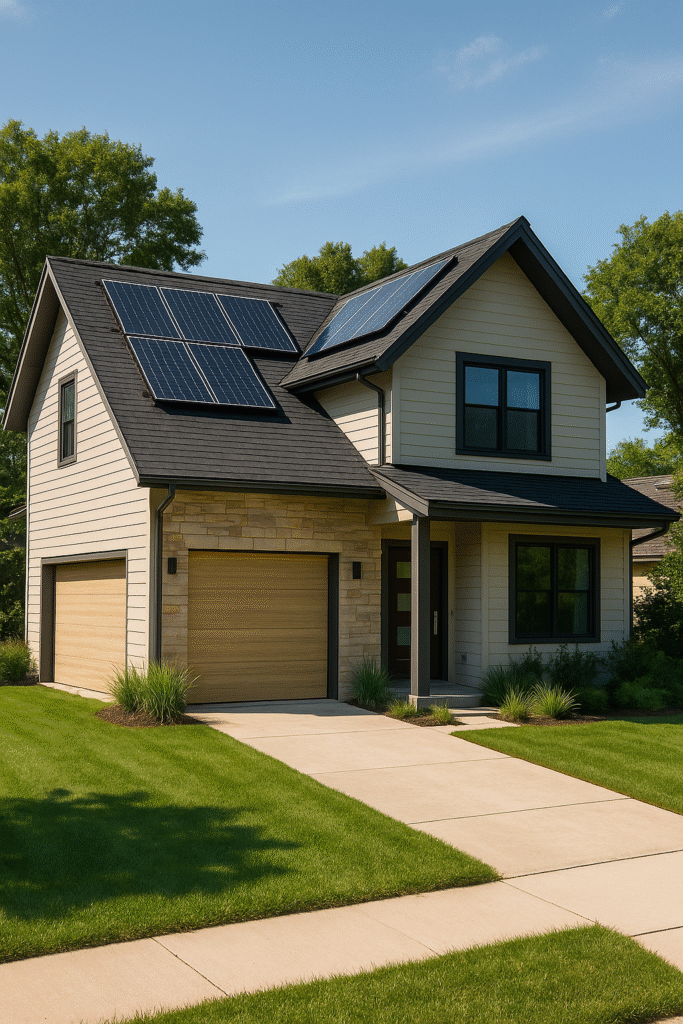
Many homes in South Jersey were built decades ago, but that doesn’t mean they can’t be efficient. Owners are investing in blown-in insulation, air sealing, updated windows, and high-efficiency boilers or furnaces. These improvements may not be flashy, but they make a real difference in comfort and monthly expenses.
Solar is becoming more common on single-family homes, small multifamily properties, and even some commercial buildings. In certain cases, owners use financing or leasing programs to install solar with low or no upfront costs, then offset part of their electric bill over time.
Smart thermostats, remote-controlled HVAC systems, and monitoring devices are helping owners track energy usage in real time. For landlords and investors, that can also mean fewer maintenance surprises and easier oversight of multiple units.
Instead of oversized homes that are expensive to heat and cool, some buyers are gravitating toward smaller or more efficient layouts—townhomes, condos, and properties with finished basements or accessory spaces that can serve multiple uses (office, guest room, etc.).
From improved drainage and sump pump systems to elevated mechanicals and better roofing, more owners are thinking about how homes will hold up over the next 10–20 years. This kind of forward thinking is becoming part of what buyers expect when they hear the words “sustainable home.”
The real estate industry is undergoing a significant transformation in 2025, driven by a growing demand for sustainability and environmentally responsible development. Sustainable real estate is no longer just a trend; it’s becoming a standard for homebuyers, investors, and builders alike. This green shift in housing is reshaping the way we live, build, and invest.
Sustainable real estate refers to properties designed and built with environmental efficiency in mind. These homes and buildings utilize renewable energy, reduce waste, and prioritize long-term energy savings. Features often include solar panels, smart thermostats, efficient HVAC systems, and eco-conscious materials such as bamboo flooring or recycled insulation.
Several factors are contributing to the growing popularity of sustainable real estate:
1. Environmental Awareness
With increasing awareness of climate change and environmental degradation, more people are recognizing the importance of sustainable living. Homebuyers and renters are looking for properties that reduce their carbon footprint and promote a healthier lifestyle. This shift in consumer preferences is pushing developers to adopt green building practices.
2. Government Regulations and Incentives
Governments around the world are implementing stricter regulations to combat climate change. These regulations often include building codes that require energy-efficient designs and the use of renewable energy sources. Additionally, many governments offer incentives such as tax breaks, grants, and subsidies for developers and homeowners who invest in sustainable properties.
3. Technological Advancements
Advancements in technology are making it easier and more cost-effective to build and maintain sustainable homes. Innovations such as solar panels, energy-efficient HVAC systems, smart home technologies, and sustainable building materials are becoming more accessible. These technologies not only reduce energy consumption but also lower utility bills for homeowners.
4. Economic Benefits
Investing in sustainable real estate can lead to significant economic benefits. Energy-efficient homes have lower operating costs, which can result in higher property values and better returns on investment. Additionally, sustainable buildings often attract higher-quality tenants and have lower vacancy rates, making them more profitable for investors.
By clicking Sign Up you’re confirming that you agree with our Terms and Conditions
Sustainable properties significantly reduce greenhouse gas emissions, energy consumption, and waste production. By using renewable energy sources and eco-friendly materials, these buildings contribute to a healthier planet. Homeowners can take pride in knowing that their living space is not harming the environment.
Green homes are designed to improve indoor air quality and reduce exposure to harmful chemicals. This is achieved through better ventilation systems, non-toxic building materials, and the use of natural light. Healthier living environments can lead to improved well-being and quality of life for residents.
Although the initial cost of building or purchasing a sustainable home may be higher, the long-term savings are substantial. Energy-efficient features such as solar panels and high-performance insulation significantly reduce utility bills. Additionally, sustainable homes often require less maintenance, leading to lower long-term expenses.
Properties built with sustainability in mind often have higher resale values. As demand for green homes continues to grow, these properties are likely to appreciate more rapidly than traditional homes. Investors and homeowners can benefit from higher returns on their investments.
1. Net-Zero Energy Homes
Net-zero energy homes are designed to produce as much energy as they consume. This is achieved through a combination of energy-efficient building practices and renewable energy sources such as solar panels. Net-zero homes are becoming increasingly popular as homeowners seek to reduce their reliance on non-renewable energy.
2. Green Building Certifications
Certifications such as LEED (Leadership in Energy and Environmental Design) and BREEAM (Building Research Establishment Environmental Assessment Method) are gaining traction. These certifications provide a benchmark for sustainability and help buyers identify eco-friendly properties. Homes with these certifications often have higher market value and appeal.
3. Smart Home Technology
Smart home technology is revolutionizing the way we interact with our living spaces. From smart thermostats and lighting systems to advanced security features, these technologies enhance energy efficiency and convenience. Integrating smart technology into sustainable homes can further reduce energy consumption and improve the overall living experience.
4. Sustainable Urban Development
Urban areas are increasingly focusing on sustainable development to address the challenges of population growth and environmental degradation. This includes the development of green spaces, public transportation systems, and energy-efficient buildings. Sustainable urban development aims to create more livable and environmentally-friendly cities.
Investing in sustainable real estate requires careful consideration and planning. Here are some tips to help you get started:
1. Research the Market
Understand the demand for sustainable properties in your target market. Look for areas with strong government support for green building practices and a high level of environmental awareness among residents.
### 2. Choose the Right Property
Look for properties with green certifications and energy-efficient features. Consider factors such as location, building materials, and the availability of renewable energy sources.
### 3. Work with Experts
Partner with real estate agents, architects, and builders who specialize in sustainable properties. Their expertise can help you make informed decisions and ensure that your investment meets sustainability standards.
### 4. Evaluate Financial Incentives
Take advantage of government incentives and programs designed to promote sustainable real estate. These can include tax credits, grants, and rebates that can offset the cost of your investment.
🏠 Looking for Foreclosed Homes?
Click here to browse on Foreclosure.com »